Source Vegan Waterproof Liquid Eyeliner for Eye Makeup
Find 30 vegan waterproof liquid eyeliner options from Chinese manufacturers. Compare liquid and pencil formulations, waterproof features, and OEM services to find suitable eye makeup suppliers for your brand; compare the available evidence and request quotations based on your requirements.
Key considerations
Products List
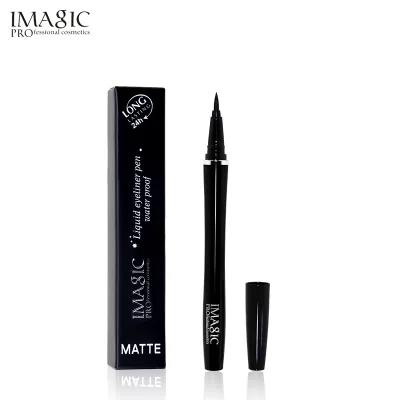
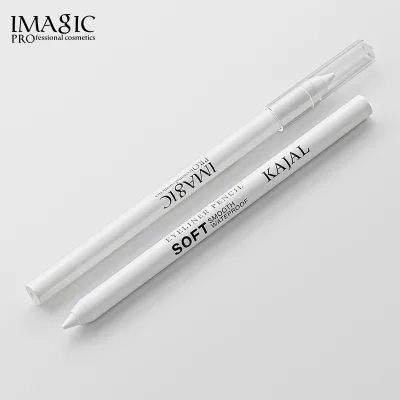






Comprehensive Sourcing Guide
Vegan Waterproof Liquid Eyeliner Sourcing Guide
Sourcing vegan waterproof liquid eyeliner requires balancing cosmetic efficacy with ethical supply chain standards. Buyers must navigate a market where "vegan" claims intersect with performance metrics like smudge resistance and longevity. The observed product landscape includes both pencil and liquid formulations, with origins primarily in Zhejiang and Guangdong provinces in China. Procurement teams should prioritize suppliers who transparently disclose ingredient lists, ensuring no animal-derived components such as carmine or beeswax are present. This verification is critical for maintaining brand integrity in the cruelty-free beauty sector.
Commercial viability depends on understanding the wide range of available options, from single-item retail units to bulk private label orders. The market exhibits significant variation in minimum order quantities, ranging from small trial batches to large-scale industrial production runs. Buyers need to assess whether their volume requirements align with supplier capabilities, particularly when considering OEM services. Establishing clear communication channels early in the sourcing process helps mitigate risks associated with misaligned expectations regarding product formulation, packaging aesthetics, and delivery timelines for global distribution.
Product Scope and Observed Listing Signals
The current market offers diverse eyeliner formats, including traditional pencils and modern liquid pens, often marketed with specific finish attributes like matte or glossy effects. Listings frequently highlight key performance indicators such as waterproof capabilities, long-lasting wear, and quick-dry formulas. These features are essential for meeting consumer demands in humid climates or for professional makeup applications requiring durability. Buyers should carefully review product descriptions to distinguish between actual liquid formulations and pencil-based products that may be mislabeled or confused in search results, ensuring the selected item matches the intended use case.
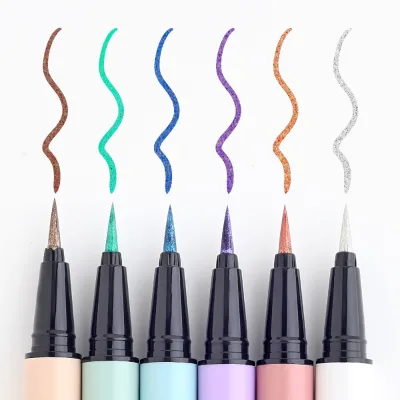
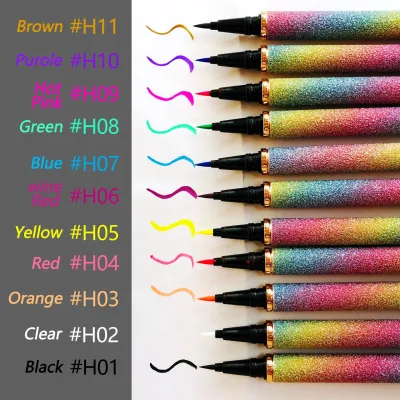
Color availability varies significantly across suppliers, with some offering extensive palettes ranging from basic black to vibrant multi-color options. This diversity allows brands to cater to niche markets or seasonal trends. Additionally, packaging specifications differ, with single package sizes varying to accommodate different product weights and dimensions. Procurement specialists must verify these physical attributes to ensure compatibility with existing logistics networks and retail shelving requirements. Understanding these signal variations helps in selecting suppliers who can provide the specific aesthetic and functional characteristics required for the target demographic.
Technical Specifications to Verify
Technical due diligence begins with confirming the exact formulation type, whether it is a true liquid pen or a pencil-based product. Buyers must verify the single gross weight and package dimensions to calculate accurate shipping costs and storage requirements. Specifications such as model numbers and brand names provide traceability, allowing for consistent reordering and quality control. It is crucial to confirm if the product includes specific features like UV printing for logos or if it supports private label customization. These details impact the final product appearance and brand differentiation in a competitive marketplace.
Ingredient verification is paramount, especially for vegan claims. Buyers should request detailed ingredient lists to ensure compliance with vegan standards, avoiding any animal-derived substances. The presence of mineral or chemical ingredients should be clearly documented and assessed for safety. Additionally, confirming the place of origin helps in understanding regulatory environments and potential supply chain disruptions. Suppliers should provide clear data on product benefits, such as long-lasting wear or specific color fastness, to validate performance claims against marketing materials.
Compliance and Safety Documentation
Regulatory compliance is non-negotiable in the cosmetics industry, requiring robust documentation to ensure product safety and legal market entry. Buyers must verify that suppliers possess necessary certifications, such as MSDS, which provide critical safety data regarding chemical composition and handling. This documentation is essential for customs clearance and consumer safety assurance. Additionally, understanding the payment terms and trade assurance availability offers financial protection and ensures transactional security. These safeguards are vital for mitigating risks associated with international trade and supplier reliability.
Beyond basic safety data, buyers should inquire about additional quality certifications relevant to the target market, such as ISO standards or specific cosmetic regulations. While not all suppliers may display these prominently, requesting them during the qualification phase is standard practice. Ensuring that the product meets local labeling requirements, including ingredient disclosure and usage instructions, prevents legal issues upon import. Clear communication regarding compliance responsibilities helps both parties avoid misunderstandings and ensures a smoother supply chain process from factory to consumer.
Cost Drivers and Commercial Terms
Pricing structures in the eyeliner market are influenced by order volume, customization levels, and ingredient quality. Observed price ranges vary widely, reflecting differences in product complexity and brand positioning. Buyers must analyze the cost implications of OEM services, which may involve setup fees or higher unit prices for smaller batches. Understanding the minimum order quantity requirements is crucial for budgeting, as some suppliers demand large volumes for private label orders. This financial planning ensures that the procurement strategy aligns with sales forecasts and inventory management goals.
Payment terms and logistical costs also play a significant role in the total cost of ownership. Suppliers may offer various payment methods, including trade assurance, Western Union, or telegraphic transfer, each with different security and processing implications. Buyers should negotiate terms that balance risk and cash flow, considering factors like sample costs and shipping expenses. Transparent pricing models help in comparing suppliers accurately, ensuring that the selected partner offers competitive value without compromising on quality or service levels.
Supplier Qualification and Quality Control
Supplier qualification involves a thorough assessment of manufacturing capabilities, quality control processes, and customer service responsiveness. Buyers should verify the supplier's ability to provide samples for evaluation, allowing for hands-on testing of product performance and packaging quality. Assessing the supplier's experience with OEM and private label services ensures they can meet specific branding and design requirements. Additionally, checking for responsive communication channels, such as dedicated support lines, facilitates smoother collaboration and issue resolution throughout the procurement lifecycle.
Quality control measures should be explicitly defined in the purchase agreement, including inspection protocols and defect tolerance levels. Buyers must ensure that suppliers conduct rigorous testing for waterproofing, longevity, and color consistency before shipment. Establishing clear criteria for product acceptance helps prevent disputes and ensures that delivered goods meet agreed-upon standards. Regular audits or third-party inspections may be necessary for large orders to maintain consistent quality across production batches, safeguarding brand reputation and customer satisfaction.
Long-Term Procurement Checks
Sustaining a successful supply chain requires ongoing monitoring of supplier performance and market trends. Buyers should regularly review product quality, delivery times, and customer feedback to identify areas for improvement. Maintaining open communication with suppliers fosters a collaborative relationship, enabling joint problem-solving and innovation. Additionally, staying informed about regulatory changes and consumer preferences ensures that the product portfolio remains relevant and compliant. This proactive approach helps in adapting to market shifts and maintaining a competitive edge in the dynamic beauty industry.
Continuous evaluation of cost structures and alternative sourcing options provides leverage in negotiations and risk mitigation. Buyers should periodically reassess supplier contracts to ensure they reflect current market conditions and business needs. Developing contingency plans for supply disruptions, such as identifying backup suppliers, enhances supply chain resilience. By focusing on long-term partnerships and strategic alignment, buyers can secure a reliable source of high-quality vegan waterproof liquid eyeliner, supporting sustainable business growth and customer loyalty.
FAQs
What certifications do the vegan eyeliner pencils have?
The products hold MSDS certification to ensure safety standards are met for international trade. This documentation verifies the chemical composition is safe for cosmetic use. Buyers can request these documents during the inquiry process to confirm compliance with regional regulations before placing bulk orders.
Can I order samples before committing to a large purchase?
Yes, samples are provided to allow buyers to test product quality and performance firsthand. This service helps verify the waterproof and long-lasting features before finalizing a bulk order. Buyers should contact the supplier directly to arrange sample requests and discuss any specific testing requirements.
Which customization services are available for private label orders?
OEM and private label services are accepted to allow brands to customize packaging and branding. Suppliers offer logo graphic design options such as UV printing to match specific brand identities. This flexibility supports businesses looking to create unique products without manufacturing their own facilities.
What is the minimum order quantity for private label products?
The minimum order quantity for private label orders is 12,000 pieces to accommodate custom branding needs. Standard brand orders may have lower thresholds, but bulk customization requires higher volumes. Buyers should confirm specific MOQs based on their chosen brand strategy and packaging requirements.
How long does it take to receive orders from China?
Lead times vary based on order volume and customization complexity, with production starting after payment confirmation. Suppliers are located in Zhejiang and Guangdong provinces, which are major manufacturing hubs. Buyers should discuss specific delivery schedules with the vendor to align with their inventory planning needs.
What payment methods are accepted for international transactions?
Accepted payment methods include Trade Assurance, Western Union, and Telegraphic Transfer for secure transactions. Trade Assurance offers buyer protection while ensuring funds are released only upon order completion. These options provide flexibility for different business sizes and risk management preferences during the sourcing process.